
How a Junk Furniture Removal Company Disposes of Couches, Mattresses, and Large Items Responsibly
Getting rid of old couches, worn-out mattresses, and bulky furniture can feel like a challenge. These items are heavy, awkward to move, and often too large for regular trash pickup. Fortunately, a professional junk furniture removal company handles the process safely and responsibly.
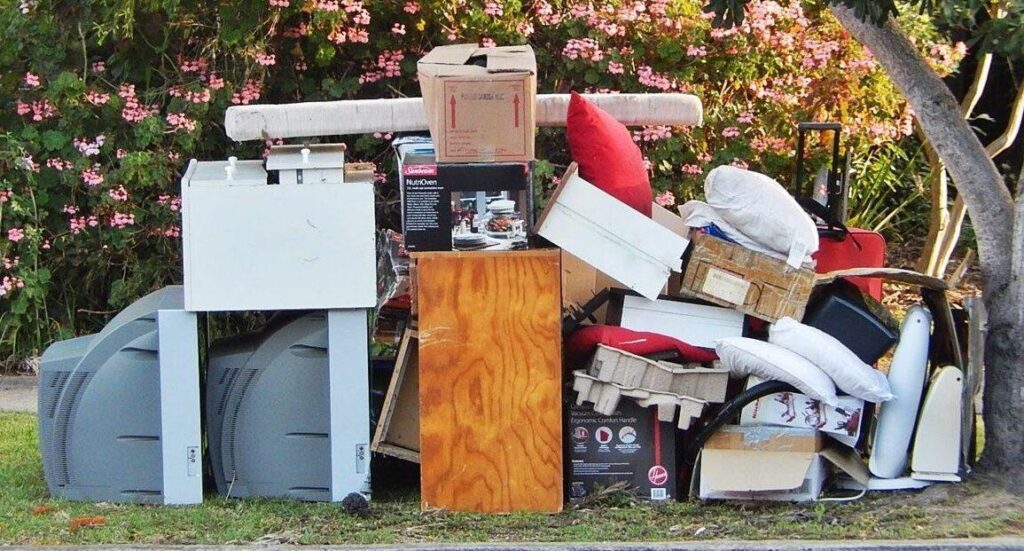
How Junk Removal Company Gets Rid of Furniture
From careful removal to environmentally conscious disposal, a junk furniture removal company does far more than simply haul items away.
Careful Removal Without Property Damage
Before disposal even begins, professional crews focus on safe removal. Large furniture pieces often sit in tight living rooms, upstairs bedrooms, or narrow hallways. As a result, moving them without damaging walls or floors requires planning and experience.
Junk removal teams use protective padding, dollies, and lifting straps to maneuver items carefully. They may also disassemble larger pieces when necessary. By taking these precautions, they protect your home while ensuring workers avoid injury.
Sorting Items for Donation Opportunities
Not every couch or mattress needs to go straight to a landfill. In fact, many items still have life left in them. Reputable junk furniture removal companies assess the condition of each piece before deciding on disposal.
If furniture remains clean and structurally sound, the company may donate it to local charities, shelters, or nonprofit organizations. This step helps families in need while reducing overall waste. Consequently, responsible removal companies give usable items a second chance whenever possible.
Recycling Materials Whenever Feasible
Even when furniture cannot be donated, many components can still be recycled. Couches and mattresses contain materials such as metal springs, wood frames, and foam padding. Instead of discarding everything, junk removal companies separate recyclable materials.
For example, they may remove metal components and deliver them to recycling facilities. Wood may also be processed for reuse or recycling. By breaking down items into recyclable parts, these companies significantly reduce landfill impact.
Proper Disposal of Non-Recyclable Waste
Despite best efforts, some materials cannot be reused or recycled. In those cases, professional junk removal companies follow local regulations for proper disposal. They transport remaining waste to approved facilities that handle bulky items safely.
Additionally, they stay informed about regional guidelines regarding mattress disposal and large-item processing. This knowledge ensures compliance with environmental standards and avoids illegal dumping practices. Responsible disposal protects both the community and the environment.
Reducing Environmental Impact Through Responsible Practices
Environmental responsibility extends beyond recycling. Many junk furniture removal companies prioritize fuel-efficient routes, organized loading, and partnerships with local recycling centers. These practices minimize emissions and maximize efficiency.
Furthermore, by consolidating multiple pickups into a single truckload, they reduce the number of trips to disposal facilities. As a result, their streamlined approach lowers the overall environmental footprint compared to individual homeowners making multiple disposal runs.
Providing Peace of Mind for Homeowners
Beyond environmental benefits, hiring a professional junk furniture removal company offers peace of mind. You do not have to worry about how to transport heavy items or where to take them. Instead, experienced teams handle the entire process from start to finish.
Their commitment to donation, recycling, and proper disposal ensures that your old furniture leaves your home responsibly. This reassurance makes the cleanout process feel easier and more purposeful.
Conclusion: How Junk Removal Company Gets Rid of Furniture
Disposing of couches, mattresses, and other large items requires more than simply throwing them away. A professional junk furniture removal company approaches the task with care, organization, and environmental awareness. By prioritizing donation, recycling, and proper disposal, they reduce waste and protect your property. Ultimately, responsible junk removal not only clears your space but also supports a cleaner, more sustainable community.

Recent Comments