
How Florists Use Color Theory to Create Stunning Arrangements
Color plays a powerful role in how we experience flowers. While beautiful blooms naturally catch the eye, it is thoughtful color selection that turns a simple bouquet into a striking arrangement. Florists rely on color theory to guide their choices, ensuring every design feels balanced, expressive, and visually appealing.
How Florists Use Color Theory to Improve Flower Arrangements
By understanding how colors interact, a florist lake Orion MI can create arrangements that feel intentional rather than accidental.
Understanding the Emotional Impact of Color
Every color carries an emotional message, and florists consider this carefully when designing arrangements. Warm tones like red, orange, and yellow often convey energy, joy, and passion. In contrast, cool tones such as blue, lavender, and soft green create a calming and peaceful effect.
Because emotions matter, florists match color palettes to the purpose of the arrangement. For example, celebratory events often feature brighter colors, while sympathy designs lean toward softer, more muted shades. As a result, the flowers communicate feeling even before words are spoken.
Using Complementary Colors for Visual Contrast
Complementary colors sit opposite each other on the color wheel, and florists use them to create eye-catching contrast. When paired correctly, these colors enhance one another and make arrangements feel dynamic.
However, balance is essential. Florists often allow one color to dominate while the complementary shade acts as an accent. This approach prevents the design from feeling overwhelming while still adding visual excitement.
Creating Harmony with Analogous Color Schemes
Analogous colors sit next to each other on the color wheel and naturally blend well together. Florists often choose this approach when they want a soft, cohesive look.
For instance, combining shades of pink, peach, and coral creates a smooth transition between colors. Because these hues share similar undertones, the arrangement feels unified and elegant. This technique works especially well for romantic occasions and refined settings.
Using Neutrals to Balance Bold Colors
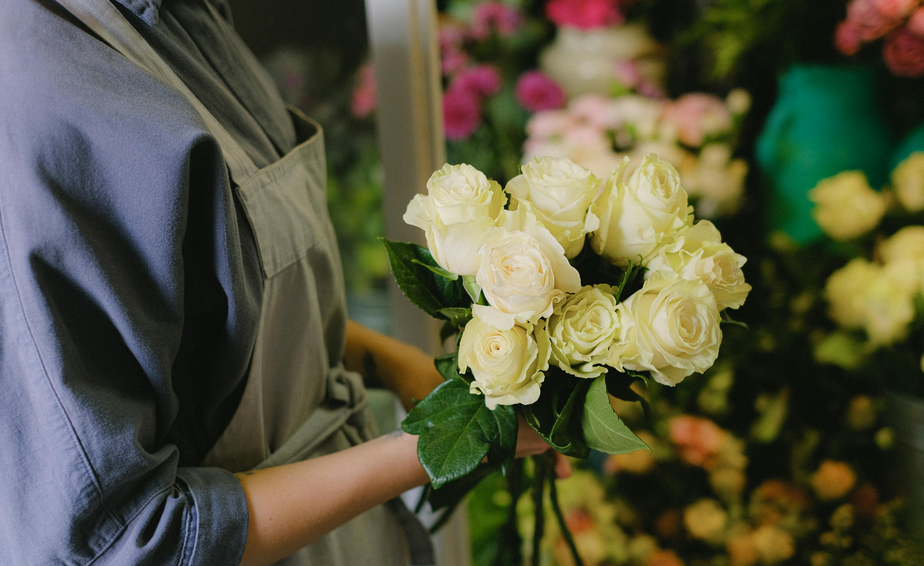
While bold colors draw attention, neutrals play a vital supporting role. Florists often include white, cream, green, or soft beige to give the eye a place to rest.
In addition, neutral tones help highlight brighter flowers without competing for attention. Greenery, in particular, acts as a natural frame that ties the entire arrangement together. This balance ensures the design feels polished rather than cluttered.
Layering Shades to Add Depth and Dimension
Florists rarely rely on a single shade of a color. Instead, they layer lighter and darker tones to add depth and visual interest. This technique creates movement and prevents arrangements from appearing flat.
For example, blending deep purple blooms with lavender and pale lilac adds richness while maintaining harmony. Through careful shading, florists guide the viewer’s eye throughout the design.
Adapting Color Choices to Seasonal Availability
Seasonal flowers influence color palettes more than many people realize. Florists often work with colors that naturally appear during specific times of the year, which helps arrangements feel timely and fresh.
Spring designs may feature pastels and light greens, while autumn arrangements often include warm, earthy tones. By embracing seasonal colors, florists enhance authenticity and visual appeal at the same time.
Conclusion: How Florists Use Color Theory to Improve Flower Arrangements
Florists use color theory to transform individual flowers into stunning, cohesive arrangements. By understanding emotional responses, balancing contrast, layering shades, and respecting seasonal influences, they create designs that feel both beautiful and intentional. When color choices work in harmony, floral arrangements do more than decorate a space—they tell a story through every hue.
Recent Comments